
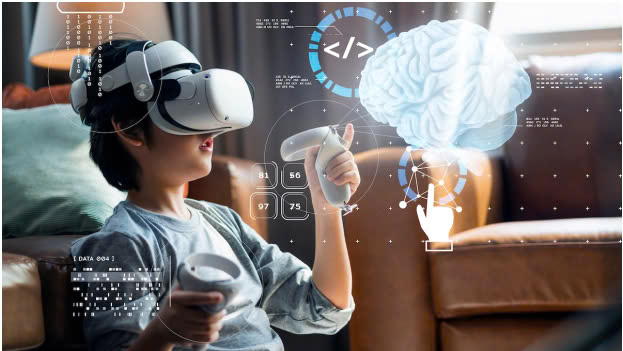
Vatican Kêu Gọi Quy Định AI Nhằm Bảo Vệ Trẻ Em
Trí tuệ nhân tạo (AI) đang tiến bộ với tốc độ chưa từng có, ảnh hưởng sâu rộng đến nhiều lĩnh vực trong cuộc sống. Tuy nhiên, song song với những tiềm năng to lớn, AI cũng đặt ra những nguy cơ nghiêm trọng, đặc biệt đối với trẻ em - nhóm đối tượng dễ bị tác động nhất. Nhận thức được điều này, Vatican đang gửi đi một lời kêu gọi khẩn cấp: Cần có những quy định rõ ràng và hiệu quả để bảo vệ trẻ em trước tác động tiêu cực của AI.
Tại hội nghị do Vatican tổ chức từ ngày 20 đến 22 tháng 3 năm 2025, Đức Hồng y Peter Turkson thuộc Học viện Khoa học Xã hội Giáo hoàng đã lên tiếng cảnh báo về nguy cơ để AI "hoàn toàn trong tay các ngành công nghiệp." Theo ngài, AI không chỉ là một công cụ tiên tiến mang lại nhiều cơ hội, mà nó còn đặt ra những thách thức to lớn, đặc biệt với những đối tượng dễ bị tác động nhất như trẻ em.
Công nghệ AI mang lại nhiều tiềm năng trong giáo dục và học tập, nhưng đồng thời cũng kéo theo những nguy cơ nghiêm trọng như nghiện mạng xã hội, suy giảm nhận thức, xâm phạm quyền riêng tư, thao túng hành vi và nguy cơ trẻ em bị khai thác tình dục. Các nghiên cứu chỉ ra mối liên hệ giữa việc sử dụng quá mức mạng xã hội do AI điều khiển và các vấn đề sức khỏe tâm thần ở giới trẻ. Các thuật toán AI được thiết kế để tối đa hóa tương tác, nhưng điều này vô hình chung làm tăng nguy cơ hình thành thói quen độc hại và tiếp cận các nội dung không lành mạnh. Nguy hiểm hơn, AI đang bị lợi dụng để dụ dỗ và buôn bán trẻ em.
Trước những nguy cơ này, Vatican kêu gọi việc quản lý AI một cách trách nhiệm và ban hành những biện pháp bảo vệ quốc tế để đảm bảo công nghệ phục vụ nhân phẩm chứ không phải làm suy yếu nó. Tóm lại, Vatican nhấn mạnh rằng AI có thể xử lý dữ liệu và nhận diện các mẫu hình, nhưng nó không thực sự suy ngĩ và tư duy như con người. AI thiếu chiều sâu của sự suy ngẫm, tính sáng tạo và trách nhiệm đạo đức.
Vatican tiếp tục kêu gọi hành động nhằm đảm bảo việc sử dụng AI một cách đạo đức, đặc biệt là trong việc bảo vệ trẻ em. Các sáng kiến như " Lời kêu gọi của Rome về Đạo đức AI" và những phát biểu của Giáo hoàng Francis tại G7 chính là những bước đi quan trọng trong hành trình này.
Anna Tường Vy lược dịch từ Aleteia
Nguồn: https://aleteia.org/2025/03/21/vatican-calls-for-ai-regulation-to-protect-children
Vatican calls for AI regulation to protect children
While AI presents exciting possibilities, it also carries profound dangers, particularly for the most vulnerable.
Lenten Campaign 2025
This content is free of charge, as are all our articles.
Support us with a donation that is tax-deductible and enable us to continue to reach millions of readers.
Artificial intelligence is advancing at an unprecedented pace, reshaping industries and daily life. But as AI becomes more integrated into society, the Vatican is sounding an urgent alarm: The technology should be regulated to protect children.
At a Vatican conference on AI’s risks and opportunities for children (March 20–22, 2025), Cardinal Peter Turkson of the Pontifical Academy of Social Sciences warned against leaving AI “entirely in the hands of industries.”
His message was clear: While AI presents exciting possibilities, it also carries profound dangers, particularly for the most vulnerable.
The risks AI poses to children
AI-driven technology has the power to enhance education and streamline learning, but it also exposes children to significant risks. Joachim Von Braun, president of the Pontifical Academy of Sciences, pointed to alarming concerns: social media addiction, cognitive impairment, privacy violations, behavioral manipulation, and even sexual exploitation.
These are not abstract fears. Studies increasingly link excessive AI-driven social media use to mental health struggles in young people. AI algorithms, designed to maximize engagement, often push content that can distort self-image, encourage harmful behaviors, and foster dependency. Worse still, AI-powered tools are being exploited for grooming and trafficking, making online spaces more perilous for children.
The Vatican is not calling for a ban on AI but for responsible regulation. Von Braun emphasized the need for “international safeguards,” lamenting that the European Parliament has yet to pass a long-debated AI law. The Church’s stance is clear: technology must serve human dignity, not undermine it.
AI’s limits — and what makes us human
This debate touches on a fundamental question: What does it mean to be human in the age of AI? While AI can process data and recognize patterns, it does not think. True thinking — pondering beauty, seeking wisdom, and contemplating life’s deeper meanings — remains uniquely human.
The Vatican has consistently upheld this distinction, stressing that while AI can assist in decision-making, it lacks the depth of human reflection. AI’s intelligence is functional, but it does not possess freedom, creativity, or moral responsibility.
AI, like all technology, must be guided by ethical principles. As Pope Francis stated, “wisdom comes not from machines but from the Spirit.” This wisdom calls humanity to use AI for good — enhancing education, protecting the vulnerable, and fostering human flourishing.
A call for action
The Vatican has been a vocal advocate for the ethical use of AI. In 2020, it launched the Rome Call for AI Ethics, urging governments and companies to ensure AI respects human rights. Pope Francis personally addressed AI concerns at the 2024 G7 meeting, emphasizing the need for international cooperation. His World Day of Peace message in 2024 was on the theme of AI.
Now, with growing threats to children, the Vatican is renewing its appeal. It is calling on policymakers to establish laws that safeguard young minds from AI’s darker implications while harnessing its potential for good.
AI is here to stay, but its trajectory is not predetermined. It is up to humanity — guided by wisdom, ethics, and faith — to ensure it serves, rather than endangers, the most vulnerable among us.